Active Noise Cancelling (2026): How It Works, Clearly Explained, and 8 Essential Buying Checks
What is active noise cancelling, how does it work, and is it worth paying extra for? Here is everything you need to know before buying ANC headphones or earbuds.
Active noise cancelling is the feature that makes a plane cabin, a train or a noisy open office suddenly feel quiet. It is now standard on premium headphones and earbuds, and it shows up on many budget models too. But ANC does not block every sound equally, and the quality varies a lot between products.
This guide explains how active noise cancelling works, what it does well and where it falls short, how it differs from passive isolation, and what to check before you buy ANC headphones or earbuds. It sticks to well-established acoustics and the published Bluetooth standards.

Active noise cancelling uses tiny microphones to measure outside noise, then plays an inverted copy of that sound wave through the speakers so the two cancel out. It works best on low, steady sounds like engine drone, air conditioning and road rumble. It is weaker against voices and sudden sounds, which is where a good seal (passive isolation) does the work. For the strongest effect, look for hybrid ANC with a good fit, and use transparency mode when you need to hear your surroundings.
How Active Noise Cancelling Works
Sound is a pressure wave. When two waves of the same size meet with opposite timing (one at its peak while the other is at its trough), they cancel each other out. This is called destructive interference, and it is the core of active noise cancelling.
Here is what happens, many thousands of times per second:
- Microphones on the earcup or earbud pick up the sound around you.
- A processor (DSP) analyzes that sound and calculates the opposite wave, called the anti-noise signal.
- The speaker driver plays the anti-noise along with your music.
- Your ear hears the noise and the anti-noise combined, which largely cancel, so the outside sound seems much quieter.
The idea is old. A German physicist, Paul Lueg, patented the concept in the 1930s, and the first practical systems were aviation headsets for pilots. Modern chips made it small and efficient enough to fit into earbuds.
Types of Active Noise Cancelling
Not all ANC headphones use the same design. The position of the microphones changes how well the system works.
| Type | Microphones | Strengths | Weaknesses |
|---|---|---|---|
| Feedforward | Outside the earcup | Reacts early to incoming noise, handles a wider range | Sensitive to wind, cannot correct for fit |
| Feedback | Inside, near the speaker | Measures what you actually hear, corrects for fit | Narrower frequency range |
| Hybrid | Both inside and outside | Strongest and most consistent cancellation | Costs more, uses more power |
| Adaptive | Hybrid plus software | Adjusts strength to your surroundings and fit in real time | Can change noticeably as you move |
Most premium ANC headphones and earbuds today use hybrid or adaptive active noise cancelling. Budget models are often feedforward only, which helps explain why they are less effective.
Active vs Passive Noise Isolation
Passive isolation is the physical blocking of sound. Over-ear cushions that seal around your ears and silicone or foam ear tips that seal your ear canal both block sound without any electronics.
Passive isolation is strongest at higher frequencies, such as voices, clatter and keyboard typing. Active noise cancelling is strongest at lower frequencies, such as engine hum. The two work together, which is why the best ANC headphones always start with a good seal.
- ANC: low, steady sounds. Needs power. Can be switched off.
- Passive isolation: mid and high sounds. Always on. Depends entirely on fit.
What Active Noise Cancelling Is Good At (and Not)
ANC is a precision tool, not a magic mute button. Knowing its limits helps you set realistic expectations.
| Sound | How well ANC handles it |
|---|---|
| Airplane and train engine drone | Excellent |
| Car and bus road rumble | Excellent |
| Air conditioning, fans, fridge hum | Very good |
| Office chatter and voices | Partial, mostly through passive isolation |
| Crying babies, sirens, dog barks | Limited |
| Sudden sounds like slamming doors | Poor |
| Wind | Can be worse, depends on mic design |
Why the difference? Low-frequency sounds have long, predictable waves, so the processor has time to create a matching anti-noise signal. High-frequency and sudden sounds change too quickly to cancel accurately, so passive isolation has to handle them.
Transparency Mode
Most ANC headphones also have a transparency or ambient mode. It uses the same outside microphones to pass surrounding sound through to your ears, so you can hear announcements, traffic or a colleague without taking the headphones off.
Good transparency modes sound natural, as if you were not wearing anything. Weaker ones sound processed or tinny. Some models also offer conversation detection, which lowers your music and turns on transparency when you start speaking.
Use transparency mode outdoors near traffic, while cycling or running on roads, and anywhere you need to stay aware. Active noise cancelling can hide warning sounds, so it is not safe in every situation.
Comfort and Side Effects
Some people feel a slight pressure or “full ear” sensation with strong ANC, similar to the feeling on a descending plane. It is not real air pressure. It comes from the brain noticing the missing low-frequency sound. Adaptive or adjustable ANC levels can help, and most people get used to it within a few days.
A faint hiss is another possible side effect, mainly on cheaper models, and is most noticeable in a silent room with no music playing. Wind can also cause rumbling with feedforward designs, which is why many brands offer a wind noise reduction mode.
Battery Life and Active Noise Cancelling
Active noise cancelling uses power, because the microphones and processor run constantly. Turning ANC off usually extends battery life, often by several hours on over-ear headphones. Check the manufacturer’s battery claim with ANC on, since that is how most people will use them.
You can also use ANC without music. Many travelers wear ANC headphones on flights or in open offices just to reduce noise, which is a common and perfectly fine use.
How Noise Cancelling Is Measured
You will rarely see a reliable decibel number for active noise cancelling on the box. There is no single industry test that every brand uses, and cancellation varies by frequency, so one number cannot describe it well. A claim like “blocks 99% of noise” is marketing, not a measurement.
Independent reviewers usually measure attenuation across the frequency range with a test head, then show a graph. Look for those graphs if you want to compare two pairs of ANC headphones closely. Pay attention to the low range (below about 1,000 Hz), where ANC does most of its work, and to the mid range, where passive isolation takes over.
Fit changes the results so much that your own experience can differ from a review. A pair that seals well on one person may leak on another, especially with glasses, which can break the seal of over-ear cushions.

Tips for Flights and Commutes
- Turn ANC on before takeoff. The engine drone is exactly the kind of sound it handles best.
- Pack an airplane adapter or a wired cable if your headphones support wired listening. Many seatback screens still use a 3.5 mm jack.
- Charge before you leave. Long-haul flights can outlast cheaper earbuds with ANC on.
- Use transparency for announcements instead of pulling the headphones off.
- On trains and buses, adaptive ANC adjusts as noise rises and falls between stations.
Care and Maintenance
Keep your ANC headphones working well by cleaning the outside microphone openings gently with a dry, soft brush. Blocked mics weaken cancellation and transparency. Replace worn ear cushions or ear tips, because a cracked seal lets noise in.
Install firmware updates from the maker’s app. Brands sometimes improve active noise cancelling, transparency and connection stability through updates. Store earbuds in their case and avoid leaving headphones in a hot car, which shortens battery life.
Is ANC Worth It?
For many people, yes. If you commute by train or bus, fly regularly or work in a busy open office, active noise cancelling can make a big difference to comfort and focus.
There is also a hearing benefit. When background noise is lower, you naturally listen at lower volumes. The World Health Organization’s safe listening guidance for adults is about 80 dB for up to 40 hours a week, and ANC makes it easier to stay well under that.
ANC is less useful if you mainly listen at home in a quiet room, or if you need to stay alert outdoors. In those cases, sound quality, comfort and battery life may matter more.
Active Noise Cancelling Beyond Headphones
The same principle works outside your ears. Many modern cars use active noise control through the audio system, with cabin microphones and speakers cancelling engine and road drone. Some aviation headsets, laptops and video conferencing systems also use noise cancelling, though on microphones it works differently. There, software filters background noise out of your voice before it is sent, which is why call noise reduction is a separate feature from ANC on headphones.
Over-Ear Headphones vs Earbuds
Over-ear ANC headphones usually offer the strongest cancellation, longest battery life and best comfort for long flights. They are bulkier and warmer in summer.
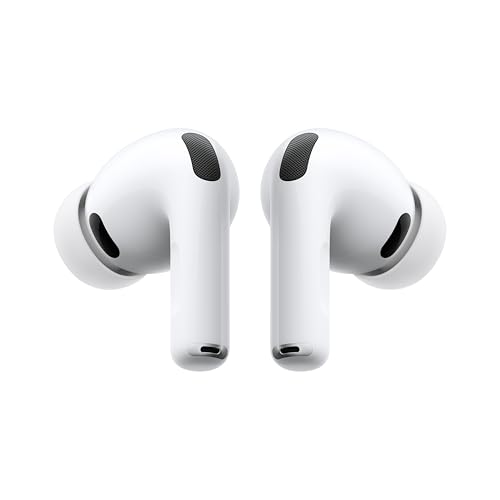
ANC earbuds are pocketable and great for commuting and the gym. With a good ear tip seal, the best earbuds come close to over-ear performance, especially on voices. Our best noise cancelling earbuds guide compares the top options.
Things to Check When Buying ANC Headphones
- ANC type: hybrid or adaptive gives the strongest, most consistent cancellation.
- Fit: over-ear cushions that seal well, or several ear tip sizes for earbuds. Foam tips often seal better than silicone.
- Transparency mode quality: important if you wear them all day.
- Battery life with ANC on: and whether the case or a fast charge tops them up quickly.
- Bluetooth version and codecs: SBC and AAC are universal. aptX, LDAC and LC3 (part of Bluetooth LE Audio) can improve quality on supported phones. The Bluetooth SIG publishes the LE Audio standard.
- Multipoint: connects to a phone and laptop at once and switches between them.
- Call quality: look for beamforming microphones and wind noise reduction.
- App support: custom EQ, ANC level controls and firmware updates help over time.
Common Mistakes to Avoid
- Judging ANC with the wrong ear tips. A poor fit ruins both isolation and active noise cancelling.
- Expecting silence. ANC reduces noise. It does not remove voices or sudden sounds.
- Using ANC in traffic. Switch to transparency mode near roads.
- Turning volume up to beat noise. Turn ANC on instead and keep the volume moderate.
- Ignoring comfort. Clamping force and weight matter more on long flights than an extra decibel of cancellation.
Frequently Asked Questions
How does active noise cancelling work in simple terms?
Microphones listen to outside noise, and the headphones play the opposite sound wave. The two cancel out, so you hear much less of the noise.
Can ANC damage your hearing?
No. ANC does not add loud sound to your ears. By lowering background noise, it can help you listen at safer volumes.
Why do I feel pressure with noise cancelling on?
It is a perception effect, not real pressure. Your brain notices the missing low-frequency sound. Lowering the ANC level or using adaptive mode often helps.
Does ANC work without music?
Yes. You can switch on active noise cancelling with nothing playing to make a flight or office quieter.
Can I sleep with ANC earbuds?
Many people do, mainly to reduce snoring or traffic hum. Small, low-profile earbuds are more comfortable on a pillow. Battery life and comfort are the limits, so check that the earbuds last a full night with ANC on.
Is ANC better on headphones or earbuds?
Over-ear headphones usually cancel more low-frequency noise and last longer per charge. Earbuds with a good seal are close and far more portable.
The bottom line
Active noise cancelling works by playing an inverted copy of outside noise, and it is excellent at removing steady, low-frequency sounds like engines and fans.
It needs a good seal to handle voices and high sounds, so fit matters as much as the ANC chip. If you travel, commute or work in noisy spaces, a pair of hybrid ANC headphones or earbuds is one of the most useful tech upgrades you can make.