
Best Drones for Beginners (2026): 5 Smart Picks for First Flights
Five easy-to-fly drones for first-time pilots, from DJI’s gimbal-stabilized Mini 4K to palm-launch selfie drones and a cheap practice trainer.
We earn a commission if you buy through our links, at no extra cost to you. As an Amazon Associate, we earn from qualifying purchases. How we make money.

The best drones for beginners make your first flights a little boring, in the best way. They hover steadily, come back when the signal drops, and don’t turn a gust of wind into a crash. That matters far more than a long spec sheet while you’re still learning which stick does what.
We compared specs, listings and owner feedback across popular models from DJI and a few budget brands, then narrowed the field to five picks. The list runs from a palm-launched selfie drone to a gimbal-stabilized camera drone, plus a cheap trainer for kids and anyone who wants low-stakes practice.
The best drone for beginners for most people is the DJI Mini 4K because it pairs a 4K camera on a 3-axis gimbal with Auto Return and Level 5 wind resistance, all under 249 g. If you mostly want hands-free selfies and vlogs, get the DJI Neo.
Best Drones for Beginners at a Glance
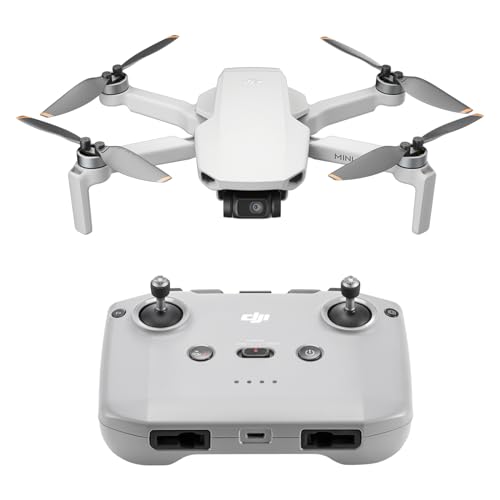
- Under 249 g with a 3-axis gimbal
- 10 km video transmission and Auto Return
- 31-min flight time per battery
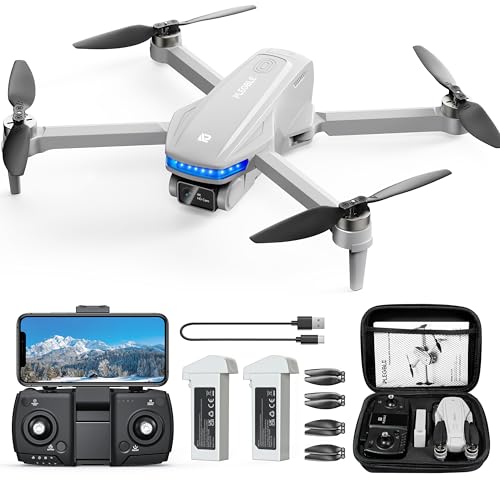
- GPS Auto Return and Follow Me
- Two batteries for 46 min total
- Beginner Mode limits radius to 30 m

- Omnidirectional obstacle sensing
- Palm takeoff and gesture control
- 151 g with full propeller guards
| Product | Price | ||
|---|---|---|---|
 | Best Overall DJI Mini 4K | $299.00Price as of Nov 3, 2026 2:02 pm EST ⓘ | Check Price |
 | Best Budget PLEGBLE PL-715 | $99.99 | Check Price |
 | Best for Safety DJI Neo 2 | $259.00Price as of Nov 3, 2026 2:18 pm EST ⓘ | Check Price |
 | Best for Selfies DJI Neo | $169.00 | Check Price |
 | Best Trainer MSMV 4K Mini Drone | $69.99 | Check Price |
1. DJI Mini 4K: Best for Most Beginners
DJI Mini 4K
A real gimbal camera drone that stays under 249 g
- Weight: Under 249 g
- Camera: 4K UHD on a 3-axis gimbal
- Flight time: 31 min per battery
- Transmission: Up to 10 km HD video
- Wind resistance: Level 5 (38 kph)
Pros
- Gimbal-stabilized 4K footage
- Auto Return when you need it
- No FAA registration for recreational use, per DJI
Cons
- Base kit has a single battery
- DJI Fly app is not on Google Play
This is the drone we’d point most first-time pilots toward. The DJI Mini 4K weighs under 249 g, so DJI says it does not need FAA registration or Remote ID for recreational flying. It still carries a 4K camera on a 3-axis gimbal, and that gimbal is the difference between shaky phone-style clips and smooth aerial footage.
The safety net is strong. The listing covers Auto Return, up to 10 km of HD video transmission and stable flight in Level 5 winds (38 kph). Brushless motors also allow takeoff at altitudes up to 4,000 meters, which helps if your favorite views are in the mountains. Of all the best drones for beginners we looked at, this one balances footage, range and forgiveness best.
The tradeoffs are small but real. One battery gives you 31 minutes, and DJI sells two- and three-battery sets rated for 62 and 93 minutes total. Android owners should know the DJI Fly app was removed from Google Play, so you download it from DJI’s website instead. If you want a drone that senses obstacles for you, look at the Neo 2.
2. PLEGBLE PL-715: Best for Budget GPS Flying
PLEGBLE PL-715 GPS Drone
GPS safety features without the DJI price
- Weight: Under 249 g
- Camera: 4K, 120° wide-angle lens
- Flight time: 23 min per battery, 46 min total
- Range: Up to 1,968 ft
- GPS modes: Auto Return, Follow Me, Waypoint
Pros
- Returns home on low battery or lost signal
- Beginner Mode caps radius at 30 m
- Two batteries and brushless motors
Cons
- No gimbal stabilization listed
- Much shorter range than the DJI Mini 4K
If DJI pricing feels steep for a first drone, the PLEGBLE PL-715 covers the features that save beginners the most grief. It has a GPS module, so it flies back to its takeoff point when the signal drops or the battery runs low. You also get Follow Me, Waypoint Flight and Circle Fly for hands-off shots.
Beginner Mode is the standout. It limits the flight radius to 30 meters so you practice within sight, and you can switch it off in the app once you’re comfortable. Two 2700mAh batteries give up to 23 minutes each, and brushless motors with altitude hold help keep it steady at your chosen height.
Skip it if video quality is your priority. The listing describes a 4K camera with a 120° wide-angle lens and a 90° adjustable angle, but no gimbal, so expect less polished footage than the Mini 4K. Range tops out at 1,968 feet. For a budget beginner drone that focuses on safety, though, it’s a sensible buy.
3. DJI Neo 2: Best for Obstacle Sensing
DJI Neo 2
A guarded selfie drone that watches for obstacles
- Weight: 151 g, C0 certified
- Camera: 4K
- Sensing: Omnidirectional obstacle sensing
- Control: Palm takeoff, gestures, Apple Watch
- Tracking: ActiveTrack and SelfieShot
Pros
- Obstacle sensing in every direction
- Full-coverage propeller guards
- Fly without learning a controller first
Cons
- Drone-only listing, so extras cost more
- Built for close-range clips, not long scenic flights
The DJI Neo 2 is built for people who are nervous about hitting things. It weighs just 151 g, is C0 certified and has full-coverage propeller guards. The headline feature is omnidirectional obstacle sensing, which none of the cheaper models here list.
You can launch and land it from your palm and steer it with gestures, so there’s no controller to master before your first clip. ActiveTrack keeps you in frame, SelfieShot grabs quick selfies, and an Apple Watch can show the live feed, flight status and voice-adjusted tracking.
This listing is drone only, so budget for any extras you want. It also suits short, close-range shots more than sweeping flights across a valley. If long-distance landscape video is the goal, the Mini 4K is the better camera drone for you.
4. DJI Neo: Best for Easy Selfies and Vlogs

DJI Neo
A 135 g drone that follows you around
- Weight: 135 g
- Camera: 4K UHD, stabilized video
- Takeoff: Palm takeoff and landing
- Modes: Subject tracking, 8 QuickShots
- Control: Controller-free, voice, app or RC
Pros
- Lighter than many phones
- Built-in propeller guard
- Several ways to control it
Cons
- Must be activated in the DJI Fly app
- No omnidirectional obstacle sensing listed
The original DJI Neo is the easiest way into aerial video. At 135 g, DJI says it may be lighter than your phone, and it does not require FAA registration or Remote ID. It takes off from your hand with a button press, follows you with subject tracking and offers eight QuickShots modes.
Control is flexible. You can fly it controller-free, by voice (English or Chinese), through the mobile app or with an RC. That makes it a fun pick for family barbecues, hikes and birthdays, where you want clips without fussing with sticks. It slips into a backpack or even a pocket.
The catch is the same app note as other DJI models: Neo must be activated in DJI Fly, and Android users get that app from DJI’s site. It also lacks the Neo 2’s obstacle sensing. If your real goal is learning to pilot, a stick-first beginner drone teaches more.
5. MSMV 4K Mini Drone: Best for Cheap Practice

MSMV 4K Mini Drone
A ready-to-fly trainer with spare blades
- Camera: 4K dual cam, 90° adjustable lens
- Batteries: 2 included
- Takeoff: One-key takeoff and landing
- Stability: Altitude hold, Headless Mode
- Safety: Emergency stop
Pros
- Complete kit with 8 spare blades
- Carry bag included
- Low-stakes way to learn the sticks
Cons
- No GPS or Auto Return listed
- Manual lens tilt, no gimbal
Not every new pilot needs a flying camera. The MSMV 4K Mini Drone is a low-cost trainer that teaches stick control before you put a pricier drone at risk. One-key takeoff and landing, altitude hold and Headless Mode keep things gentle, and an emergency stop cuts the motors if a flight goes wrong.
The kit includes the drone, a remote, two batteries, a USB charging cable, a screwdriver, eight spare blades and a carry bag. Those spare blades matter, because beginners break props. The one-button 360° flip is a hit with teens.
Treat the 4K dual camera as a bonus, not a reason to buy. The lens tilts manually through 90°, and there’s no gimbal or GPS return listed, so it can drift outdoors. Among the best drones for beginners, this one is about practice, not footage.
How to Choose the Best Beginner Drone
Picking from the best drones for beginners comes down to six questions. Answer them honestly and the right model usually becomes obvious.
Weight and registration
Weight decides how much paperwork you face. In the US, recreational drones over 250 g must be registered with the FAA. The DJI models and the PLEGBLE here are all listed under 249 g, which keeps casual flying simpler.
Rules still apply to every drone, light or not. Read the FAA’s drone guidance before your first flight. UK readers should check the Civil Aviation Authority’s rules, which are different.
GPS and return-to-home
GPS is the most useful safety feature a new pilot can have. It helps the drone hold position outdoors and fly back when the signal drops or the battery runs low. The Mini 4K lists Auto Return, and the PLEGBLE lists GPS Auto Return. The MSMV relies on altitude hold with no GPS listed, so expect it to wander in a breeze.
Camera and gimbal
A 4K label means little without stabilization. A 3-axis gimbal, like the one on the Mini 4K, physically steadies the camera so footage looks smooth. A camera drone with a fixed or manually tilted lens can still record 4K, but the results are shakier and less consistent.
Flight time and batteries
Listed flight times are best-case figures, so plan for a little less on windy days. Spare batteries stretch a session more than anything else. The Mini 4K comes in one-, two- and three-battery sets, and both budget picks include two batteries in the box.
Control style
Decide whether you want to learn to fly or just want the shots. Stick-controlled models like the Mini 4K and PLEGBLE teach real piloting. Palm-launch drones like the Neo and Neo 2 skip the learning curve with gestures, tracking and preset shots, but they’re less suited to long scenic flights.
App support on your phone
Check the app before you buy. DJI’s listings note that DJI Fly was removed from Google Play, so Android users download it from DJI’s official website. The PLEGBLE streams its 5GHz video feed to your phone, and the MSMV uses its own remote, so your phone matters less there.
Beginner Drone Types Compared
The best drones for beginners fall into four rough groups. Here’s how they stack up, so you can match a type to how you plan to fly.
| Type | Example here | Good for | Watch out for |
|---|---|---|---|
| Gimbal camera drone | DJI Mini 4K | Smooth travel and landscape video | You still need to learn stick control |
| Budget GPS drone | PLEGBLE PL-715 | Safe practice with Auto Return | No gimbal listed |
| Selfie drone | DJI Neo, DJI Neo 2 | Hands-free vlogs and tracking shots | Short, close-range clips |
| Toy trainer | MSMV 4K Mini Drone | Cheap stick practice | No GPS listed, drifts outdoors |
Common First-Flight Mistakes
Even the best drones for beginners can’t fix every bad decision. Most early crashes come from a handful of avoidable habits.
- Starting somewhere crowded. Your first flights belong in an open field with no people, trees or power lines nearby.
- Taking off before GPS is ready. On GPS models, wait until the app shows a solid signal so Auto Return knows where home is.
- Chasing the last few percent of battery. Land with charge to spare instead of pushing for one more shot.
- Flying out of sight. Keep the drone where you can see it, and use limits like PLEGBLE’s Beginner Mode while you learn.
- Skipping the rules. Check FAA guidance (or your local authority) for where and how high you can fly.
Once you’re comfortable in the air, you may want ground-level footage to match. Our action camera picks pair well with any camera drone for travel and outdoor video.
Your First Flight Checklist
The best drones for beginners make flying easier, but a short routine before every flight still prevents most crashes and lost drones.
- Charge everything the night before: every battery, plus your phone and the controller if you use one.
- Update the app and firmware at home on Wi-Fi, not in the field with a weak signal.
- Check the airspace. In the US, recreational pilots also need to pass the free TRUST test, and the FAA lists approved apps for checking where you can fly. The FAA drone page linked above is the place to start.
- Pick a wide, open space away from people, trees and power lines for your first few flights.
- Wait for a GPS lock before takeoff on a camera drone that has GPS, so return-to-home knows where home is.
- Keep your beginner drone in sight and below 400 feet, the FAA limit for recreational flying.
Practice simple moves first: takeoff, hover, slow turns and landing. If you are nervous about crashing an expensive camera drone, a cheap trainer is a low-stakes way to learn the sticks. Even with the best drones for beginners, ten minutes of hovering practice builds more confidence than one long flight. Once your beginner drone feels predictable, start trying the automated shots or faster flight modes on your camera drone.
Frequently Asked Questions
Do I need to register a drone under 250 g?
In the US, recreational drones over 250 g must be registered with the FAA. DJI’s listings for the Mini 4K and Neo say they don’t need FAA registration or Remote ID for recreational use. Commercial flying has separate rules, so check the FAA site first.
What are the best drones for beginners on a budget?
The PLEGBLE PL-715 is our budget choice among the best drones for beginners because it adds GPS Auto Return and a Beginner Mode. For pure stick practice, the MSMV 4K Mini Drone costs less and includes spare blades.
Is a DJI drone worth it as a first drone?
If you care about footage, yes. The Mini 4K’s 3-axis gimbal, 10 km transmission and Level 5 wind resistance are hard to match at the budget end. If you only want to see whether you enjoy flying, a cheaper beginner drone is a smart first step.
How long do the batteries last?
Per the listings, the Mini 4K gets 31 minutes per battery and the PLEGBLE up to 23 minutes per battery. Real flights tend to run shorter, so one or two spare batteries make a big difference.
Can kids fly these drones?
The MSMV is pitched at teens and hobbyists, with Headless Mode and an emergency stop. The DJI listings are aimed at adults. Supervise younger pilots and stick to wide-open spaces.
The bottom line
For most people, the DJI Mini 4K is the top choice among the best drones for beginners. It stays under 249 g, carries a gimbal-stabilized 4K camera and comes home on its own when a flight goes sideways. Choose the PLEGBLE PL-715 if budget matters most, or the DJI Neo 2 if obstacle sensing and hands-free flying top your list.
Check DJI Mini 4K price

